
 Tiếng Việt


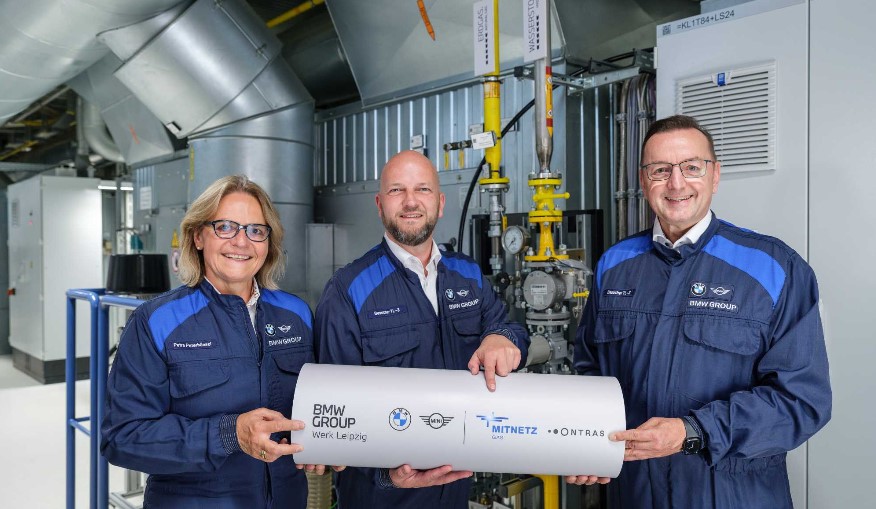
BMW’s Leipzig facility is setting new benchmarks in sustainable manufacturing by becoming the first car plant worldwide to receive hydrogen via a dedicated pipeline and simultaneously producing fifth-generation EV battery packs on site. Hydrogen Infrastructure: From Trucking to Pipelines
In a landmark move, BMW has signed contracts with MITNETZ GAS and ONTRAS Gastransport to build an approximately 2 km hydrogen link connecting the plant to the future core hydrogen network. Once operational (expected mid-2027), the plant will no longer rely on cylinder or tanker deliveries, enabling continuous, stable hydrogen supply.
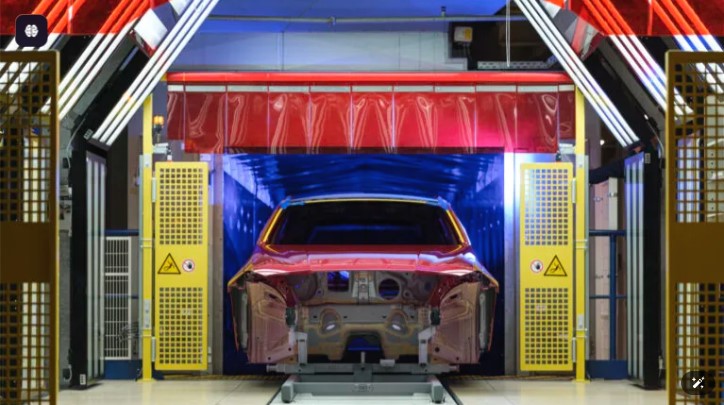
This transition is expected to unlock more efficient, high-volume use of hydrogen in manufacturing processes—especially in energy-intensive operations such as the paint shop’s curing ovens.
Hydrogen Use Inside the Plant
Leipzig has already been an early adopter of hydrogen technologies:
- Its paint shop uses fuel-flexible burners capable of running on hydrogen, natural gas, or a mix, and switching between fuels dynamically. Since 2013, the plant has operated a sizable intralogistics fleet — over 230 hydrogen fuel cell–powered forklifts and tug vehicles — refueling at multiple on-site stations.
With pipeline hydrogen, BMW expects to scale such operations further while lowering costs and emissions disruption from logistics.
Advancing EV Battery Manufacturing
While pioneering the hydrogen infrastructure, Leipzig is also ramping up high-voltage battery production. Since March 2024, the plant has been assembling and shipping fifth-generation EV battery packs globally. Hydrogen-fed energy is expected to support welding, assembly, and quality control—integrating decarbonization directly into core manufacturing.
Strategic and Environmental Impact
By replacing hydrogen deliveries with a pipeline connection:
- BMW anticipates reducing logistical complexity, cost, and delays.
- Emissions associated with transport (CO₂, NOₓ, etc.) are expected to fall significantly.
- The pipeline will tie into Germany’s planned ~9,000 km core hydrogen network, expected to be fully operational by 2032.Leipzig’s upgrade also demonstrates what’s possible when industrial infrastructure and clean energy strategies converge. It aims to serve as a replicable model for sustainable factory operations worldwide.
Sources:
https://www.electrichybridvehicletechnology.com/news/leipzig-plant-advances-hydrogen-infrastructure-while-manufacturing-fifth-generation-ev-batteries.html
